A heat pump can be the most efficient piece of comfort equipment in your home—if it’s cared for. Routine heat pump maintenance keeps heating and cooling performance steady across seasons, lowers energy use, and extends system life by preventing minor issues from becoming big repairs. With a thoughtful plan and a qualified technician, you can enjoy quieter operation, better airflow, and consistent temperatures, whether it’s July or January.
Why Heat Pump Maintenance Matters for Comfort and Cost
Comfort depends on more than a thermostat setpoint. When a system is dirty or out of calibration, it struggles to move heat, runs longer cycles, and leaves rooms with hot and cold spots. Regular heat pump maintenance restores efficiency by cleaning heat-transfer surfaces, verifying refrigerant balance, and dialing in airflow so the system delivers the capacity it was designed to provide. The payoff shows up as even temperatures, faster recovery after setbacks, and lower utility bills without sacrificing comfort.
What Heat Pump Maintenance Includes During Seasonal Tune-Ups
A comprehensive visit looks at the entire heat transfer chain—outdoor unit, indoor unit, ductwork, controls, and safety components—to ensure they work together.
Clean Coils and Correct Airflow
Technicians wash outdoor and indoor coils and check static pressure to keep heat exchange efficient. Proper airflow reduces strain and keeps rooms balanced.
Refrigerant Charge and Leak Checks
Verifying charge prevents low-capacity, icing, or high head pressure that can damage components. If readings are off, the tech investigates for leaks instead of masking the symptom.
Thermostat and Controls Calibration
Accurate sensors and control logic minimize short cycling and overshoot. Calibrated controls translate into steadier temperatures and quieter operation.
Electrical and Safety Verifications
Connections, capacitors, and defrost controls are tested to prevent nuisance trips. Solid electrical health protects the compressor and fan motors.
How Heat Pump Maintenance Boosts Efficiency and Lowers Bills
Efficiency hinges on reducing resistance to heat movement. Dust on coils acts like a blanket, while restricted filters throttle airflow and force longer runtimes. During heat pump maintenance, cleaning and airflow measurements help restore design conditions, allowing the system to move the most heat with the least energy. Verifying defrost operation and outdoor fan speeds also prevents wasted energy during cold snaps. Over a season, these small optimizations compound into measurable savings.
Preventing Breakdowns Through Heat Pump Maintenance
Unexpected failures are rarely random—they usually follow warning signs like high amperage, elevated head pressure, or intermittent sensor faults. A trained eye catches those tells and resolves the root cause before a shutdown.
Catching Wear Before it Fails
Reading motor amperage and inspecting capacitors reveals components nearing end of life. Timely swaps avoid emergency calls and protect other parts down the line.
Protecting the Compressor
Correct charge, clean coils, and healthy airflow keep compression ratios in a safe range. This prevents overheating and extends the lifespan of the most expensive component.
Reducing Defrost and Freeze-Ups
Functional defrost controls and clean outdoor coils stop ice from building. Less ice means steadier capacity and fewer noisy, energy-hungry defrost cycles.
Indoor Air Quality Gains from Heat Pump Maintenance
Because a heat pump circulates indoor air constantly, cleanliness and filtration directly affect what you breathe. A maintained system pulls air through a clean filter at the proper velocity, which improves capture of dust and allergens without choking airflow. Drain pans and condensate lines are cleared to prevent microbial growth and odors. With adequate airflow and clean surfaces, humidity control improves, making summer air feel comfortable at slightly higher setpoints that save energy.
The Best Timing for Heat Pump Maintenance in Heating and Cooling Seasons
Scheduling service ahead of peak loads sets your system up for success when you need it most. It also gives you flexibility if parts or follow-up visits are required.
Spring Service Before Cooling Loads
A pre-summer tune readies coils, charge, and airflow for long cooling cycles. Getting ahead of the heat helps avoid mid-season slowdowns.
Fall Checkups Before First Frost
Verifying defrost and cold-weather performance prevents surprises on the first freeze. Early checks keep winter comfort consistent from day one.
After Storm or Construction Events
Wind-blown debris and dust can clog outdoor fins and filters quickly. A post-event inspection restores airflow and safeguards efficiency.
DIY Tasks vs Professional Heat Pump Maintenance
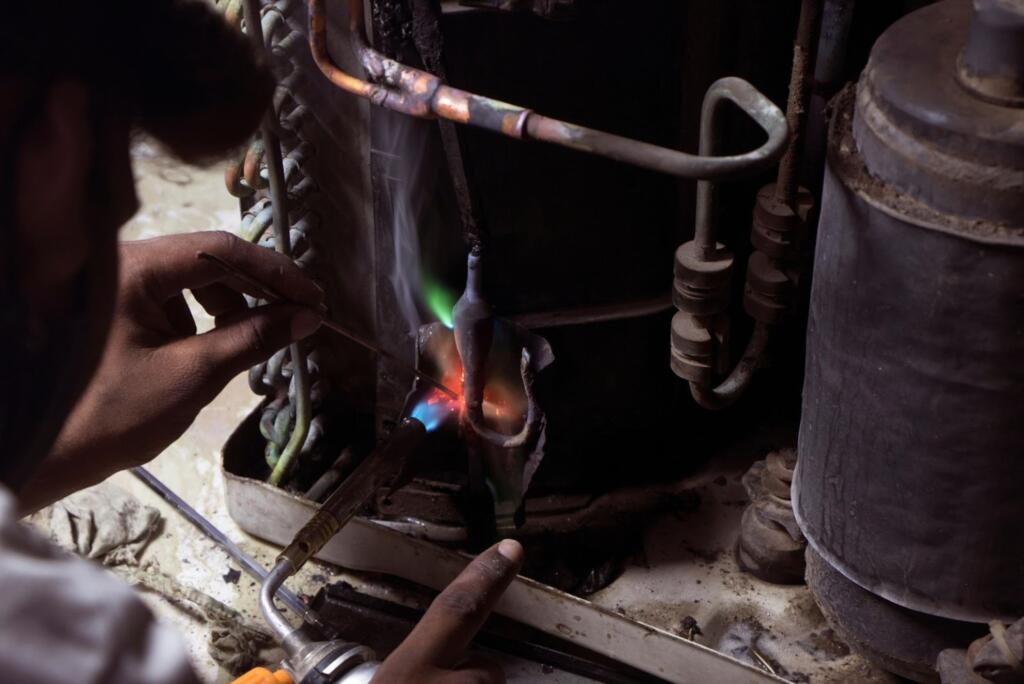
Homeowners can support performance with simple routines, while leaving diagnostics and sealed-system work to the pros. Replacing or washing filters on schedule keeps the pressure drop low and protects the indoor coil. Keeping vegetation at least two feet away from the outdoor unit preserves airflow through the coil. Beyond that, a technician is best equipped to measure static pressure, verify charge by performance metrics, test electrical components under load, and update firmware or control settings. This split lets you handle the easy wins while ensuring deeper issues are found and fixed correctly.
Reducing Noise and Hot–Cold Spots With Heat Pump Maintenance
Noise often signals resistance somewhere in the system. Whistling returns, rattling panels, or a buzzing outdoor unit can point to airflow restrictions, loose hardware, or pending electrical failures. Through heat pump maintenance, techs quiet systems by sealing duct leaks, re-securing panels, balancing registers, and isolating vibration with proper pads and hardware. The same steps that reduce sound also smooth out room-to-room temperature differences by restoring balanced airflow and appropriate fan speeds.
How to Choose a Contractor for Heat Pump Maintenance
The right partner doesn’t just “clean and go”—they measure, document, and explain. Ask whether the company records static pressure, temperature split, superheat/subcool, and motor amperage so you can compare results year to year. Confirm that technicians are trained on your brand’s controls and heat pump models, including variable-speed and cold-climate units. Look for clear, line-item reports and recommendations prioritized by urgency, so you can plan repairs and upgrades without surprises.
Ask About Training and Certifications
Brand-specific training and recognized credentials indicate familiarity with modern variable-speed systems. Skilled techs diagnose faster and protect warranties.
Look for Data-Driven Service
Numbers tell the story of performance and catch declines early. Expect snapshots of key readings with each visit.
Expect Transparent Pricing and Reports
Upfront quotes and written findings build trust. Clear documentation helps you budget and track system health.
Building a Plan: Heat Pump Maintenance Schedules and Memberships
Consistency is easier with a plan. Many homeowners opt for a spring-and-fall schedule that aligns with seasonal changeovers, while others choose performance-based visits triggered by hours run or smart-monitor alerts. Service agreements can bundle priority scheduling, discounts, and filter deliveries so routine tasks never slip. Whether you prefer set appointments or data-driven reminders, aligning maintenance with how you actually use your system keeps comfort steady and expenses predictable all year.
Get Heat Pump Maintenance for Weatherproof Comfort
The path to reliable comfort is simple: keep heat exchange surfaces clean, verify airflow and charge, and fix minor issues before they cascade. With regular heat pump maintenance, your system runs quieter, uses less energy, and maintains target temperatures without drama in any season. Invest a little time in the right tasks at the right moments, and your heat pump will reward you with durable, efficient comfort day after day.
Visit the Principe Heating and Cooling LLC blog to learn more about the value of heat pump maintenance.