

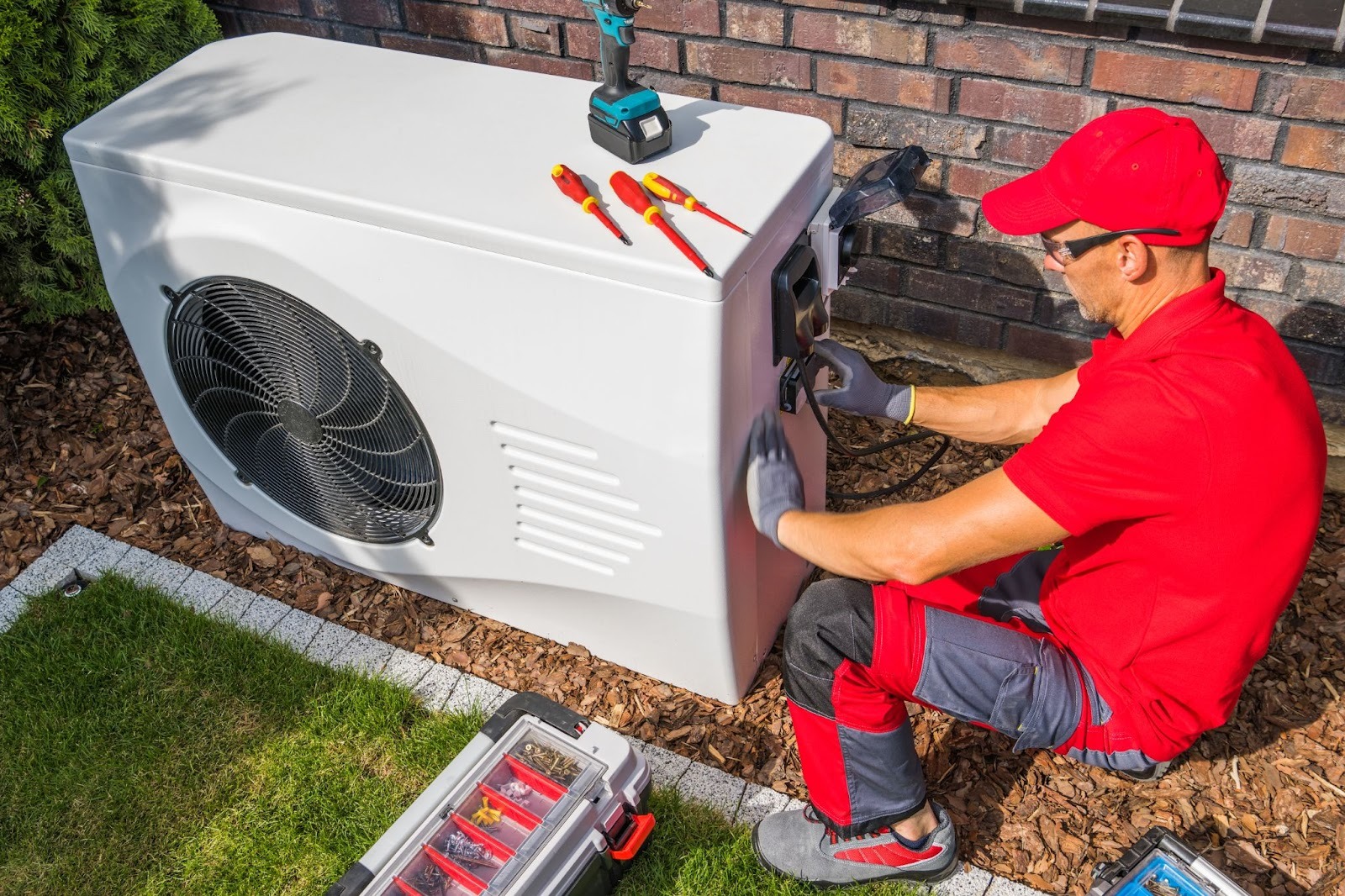
Heat pump installation is one of the most innovative ways to upgrade your home’s comfort system. Homeowners often wonder how long this process requires and what to expect once technicians arrive. The installation timeline can influence your schedule, energy bills, and long-term system efficiency. Knowing what affects this process helps you plan and choose the right professionals for the job.
Factors That Affect Heat Pump Installation Time
The time it takes to install a heat pump depends on your home’s size, layout, and system type. Technicians also consider site preparation, removing old units, and local scheduling conditions. Understanding these factors gives you a clearer picture of what to expect and helps you make better installation decisions. Each home requires a customized plan, so timelines vary slightly, even for similar setups.
Home Size and Type of System
Larger homes with multiple zones or stories take longer to equip because installers must fit additional components. Smaller homes or single-zone setups usually need less time since they require fewer indoor air handlers. Ductless systems are faster to install than ducted models because they don’t involve extensive ductwork. However, a retrofit, which replaces an older system, may extend the schedule slightly. Every home layout adds its own level of complexity, which determines total work hours.
Preparation and Old System Removal
Technicians remove any old HVAC system and safely disconnect power and refrigerant lines. Once cleared, they prepare the site by cleaning debris and ensuring access to critical areas. Proper preparation prevents future system issues such as leaks or poor airflow. Although it adds several hours, this step guarantees a smoother installation and long-term reliability. Good site readiness also helps avoid costly return visits.
Scheduling and Equipment Availability
The availability of equipment and technicians can influence when your project starts. Installation may be delayed if your preferred heat pump model or components are back-ordered. Additionally, busy seasons like summer and winter see higher service demand, extending wait times. Choosing a reputable installer with steady supplier access helps reduce delays. Scheduling your appointment during moderate seasons often shortens the lead time.
Average Time Needed for Heat Pump Installation
Installing a heat pump takes one to three days, depending on the project’s scope. Smaller systems are faster, while larger or more complex designs require additional labor. The process includes preparation, setup, wiring, and testing, ensuring efficient operation. Each stage is essential for safe and reliable system performance.
One-Day Installations for Simple Systems
A single-day installation works best for ductless or single-zone setups. These compact systems don’t rely on ductwork, allowing quick mounting of indoor and outdoor units. Technicians connect electrical lines, refrigerant pipes, and controls within hours. Smaller homes or apartments with easy access can expect completion in one workday. Efficient planning and proper pre-inspection make this fast turnaround possible.
Two to Three-Day Installations for Most Homes
Most standard home installations fall within this range because they involve several coordinated steps. The process begins with removing the old system, mounting new units, and connecting power and refrigerant lines. Each phase requires accuracy to guarantee safety and optimal efficiency. Technicians also test and calibrate system performance before the final handover. Completing everything carefully within this timeframe ensures smooth and reliable operation.
Complex Projects Requiring Extended Time
Large homes, new constructions, or zoned HVAC systems often take several days to complete. Complex setups involve more wiring, longer refrigerant lines, or added ductwork adjustments. Coordination with electricians or builders may also extend the schedule. Each part of the process demands focus to maintain efficiency and safety. While longer, this timeline reflects the care required for high-quality results.
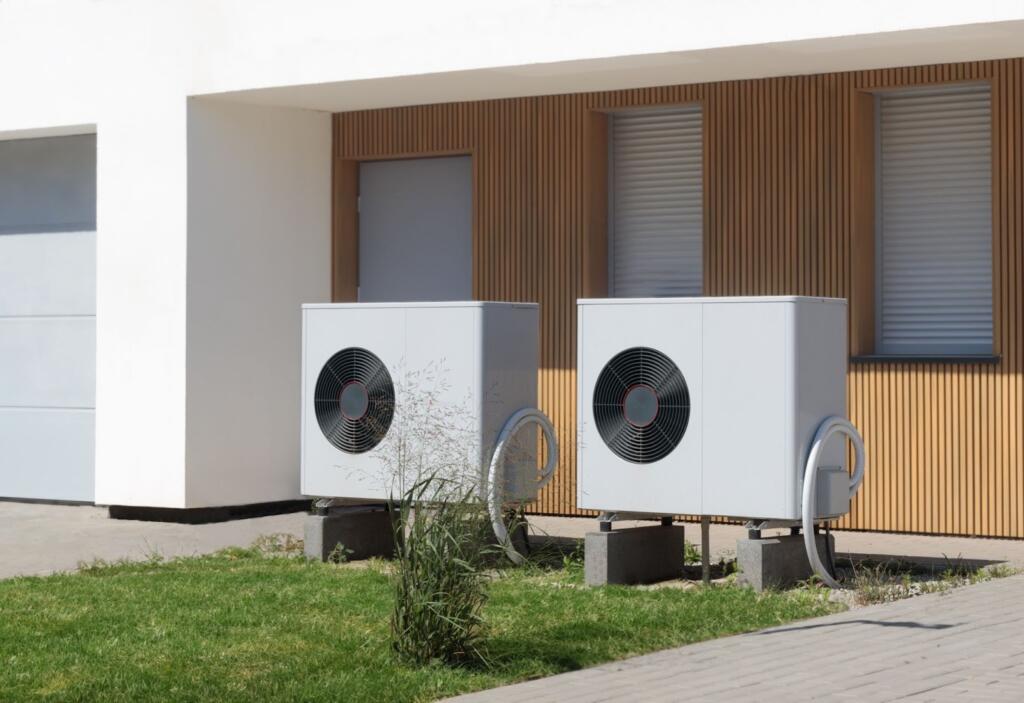
Step-By-Step Heat Pump Installation Overview
A heat pump installation follows several structured steps to guarantee long-lasting performance. Technicians start with evaluation, proceed with system removal, and finish with final testing. Each phase has a specific purpose that contributes to efficiency, safety, and comfort. This organized approach keeps the installation predictable and professional.
Home Assessment and System Planning
Technicians first inspect your home’s insulation, layout, and existing ductwork. They calculate heating and cooling loads to determine the right system size. Proper sizing ensures your home maintains even temperatures and avoids energy waste. The technician then selects suitable locations for the indoor and outdoor units. A well-planned design reduces installation time and improves long-term system performance.
Safe Removal of the Old Unit
Before installing the new system, the old one must be safely disconnected. Technicians handle refrigerant recovery according to environmental standards and dispose of outdated materials properly. They remove wiring, ducts, and mounts to clear space for the new setup. Depending on the previous system’s complexity, this phase can take several hours. Proper removal ensures a clean and hazard-free installation area.
Mounting the Indoor and Outdoor Units
After clearing the space, the team installs the air handler indoors and the condenser outside. They secure both units firmly to avoid vibration or noise. Refrigerant lines and electrical wiring are routed through small openings in the wall. Proper alignment guarantees optimal airflow and quiet operation. Each step ensures the system runs efficiently once activated.
Connecting Electrical and Refrigerant Lines
Next, technicians connect the system to your electrical panel and test the circuit load. They also link refrigerant lines between indoor and outdoor components. Every connection is sealed, vacuum-tested, and checked for pressure balance. Any small leak or fault can affect performance, so precision is key. Once confirmed, the system is ready for activation and testing.
Final Testing and System Calibration
After installation, the system is tested in both heating and cooling modes. Technicians verify airflow, temperature levels, and thermostat accuracy. They adjust settings to achieve balanced comfort across all rooms. System calibration ensures the heat pump delivers consistent performance year-round. Before leaving, technicians walk homeowners through basic operation and maintenance tips.
Preparing Your Home for Faster Installation
Good preparation helps save time and prevent unnecessary disruptions during installation. Homeowners can take a few easy steps to create a smoother process. Technicians work more efficiently when the site is clean and ready. Proper preparation also improves safety and communication throughout the project.
Conduct a Pre-Installation Inspection
Scheduling an inspection before installation identifies potential obstacles early. Technicians can check duct integrity, electrical load, and clearances in advance. Addressing any issues before installation day keeps the process moving. This step prevents last-minute surprises that can add hours to the timeline. Prepared homes often experience faster and cleaner installations.

Clear Indoor and Outdoor Work Areas
Removing furniture, plants, or obstructions near work zones helps technicians move freely. Clean and accessible areas reduce setup time and improve safety. Outdoors, ensure the condenser’s placement spot has adequate ventilation and drainage. Indoors, free wall space and clear walkways prevent slowdowns. These small preparations contribute to a smooth, uninterrupted workflow.
Hire a Qualified and Trusted Installer
Experienced heating pump installers complete the job faster and with fewer complications. Certified technicians follow best practices, maintain quality control, and manage logistics efficiently. Reading reviews or asking for recommendations helps you choose a dependable provider. Skilled teams also handle necessary permits and inspections promptly. Choosing the right contractor keeps your project on schedule and within budget.
Common Issues That Delay Installation
Despite careful planning, some installations face delays due to unforeseen challenges. These problems often arise during site evaluation or installation itself. Knowing what causes them helps homeowners stay patient and informed. Awareness allows you to prepare better and minimize downtime if issues occur.
Permits and Inspection Delays
Some cities require permits before installation and inspections afterward. Waiting for approval or scheduling an inspector can extend timelines by a few days. Contractors familiar with local codes often manage these efficiently. Preparing documentation ahead of time reduces waiting periods. Coordinating early with your installer ensures paperwork doesn’t stall the project.
Electrical or Ductwork Problems
During installation, technicians sometimes find outdated wiring or damaged ducts. These must be repaired to meet safety and energy standards. Fixing them can add extra hours or a whole day to the project. However, addressing these problems ensures long-term reliability and performance. A pre-installation assessment helps identify most issues before they cause significant delays.
Unfavorable Weather Conditions
Outdoor installation work depends on safe and stable weather. Heavy rain, snow, or strong winds can temporarily pause progress. Wet or icy conditions make electrical work and mounting dangerous. Rescheduling during milder weather helps maintain safety and pace. Experienced contractors monitor forecasts closely to plan efficient workdays.
How Experts Estimate Installation Time
Professional HVAC technicians use explicit criteria to provide accurate timelines. They estimate your home’s design, equipment type, and labor needs. Their experience and preparation help minimize unexpected slowdowns. Accurate estimation builds trust and helps homeowners plan better.
Detailed Consultation and Quotation
Installers begin with a home visit to assess size, insulation, and system requirements. They measure load capacity and inspect ducts, wiring, and space for new equipment. After collecting data, they provide a precise quote with time and cost estimates. Transparent estimates set realistic expectations for the homeowner. This process reduces confusion and builds confidence in the project plan.
Labor Planning and Equipment Coordination
The size of the installation crew directly affects completion speed. Larger teams can divide tasks, while smaller crews may take longer. Efficient contractors coordinate equipment delivery and logistics before starting. This procedure prevents idle time and wasted trips during the process. Proper planning ensures a steady workflow from start to finish.
Clear Communication During the Process
Consistent updates between homeowners and technicians prevent misunderstandings. Installers can inform clients about progress, while homeowners can approve small decisions quickly. This teamwork keeps the project moving at a steady pace. Open communication also improves satisfaction and trust. Staying informed reduces uncertainty and supports smooth project delivery.
Handling Longer Heat Pump Installations
When installations exceed initial timelines, it usually means technicians are addressing hidden challenges. Extended projects often involve unexpected repairs or required upgrades. Taking time to fix these correctly ensures safety and long-term reliability. Quality installations always outweigh speed in the long run.
Managing Hidden Repairs During Installation
Sometimes, technicians uncover leaks, damaged wires, or outdated connections during setup. These issues must be resolved before completing the system. Skilled professionals repair them efficiently to restore safety and function. Though it may extend the schedule, taking extra time prevents future breakdowns and ensures the system operates reliably for years.
Necessary System Upgrades
Homes with older electrical panels or controls may need updates. These upgrades ensure compatibility with new high-efficiency heat pumps. Upgrading breakers, wiring, or thermostats adds time but boosts performance. Technicians handle these adjustments carefully to meet current safety codes. Planning upgrades beforehand keeps the project running smoothly.
Get Expert Heat Pump Installation You Can Trust
Upgrading your home’s comfort system starts with choosing the right team for the job. A precise and timely heat pump installation isn’t just about efficiency; it’s about peace of mind that lasts for years. Partnering with skilled professionals means fewer setbacks, better energy savings, and a smoother experience from start to finish. Schedule your installation with a trusted expert and step into a home that feels right every season.
Looking to master your home’s comfort? Head to the Principe Heating and Cooling blog for straightforward advice, fresh ideas, and trusted expertise.