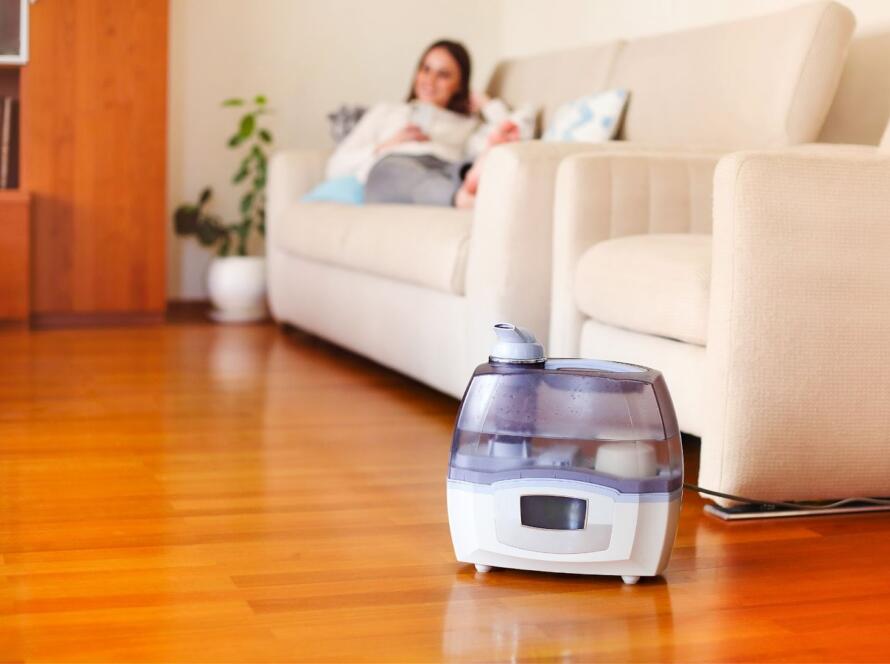
Mold creates stress for property owners because it spreads fast and damages valuable areas inside a home. Moisture hides in small spaces and weakens materials long before clear signs appear. Many families breathe spores without noticing the source of the problem. Indoor air stays affected when humidity rises, and ventilation falls short. A stable plan for cleaner air brings comfort, protection, and more substantial confidence in your home’s condition.
Understanding Indoor Air Quality Services
Indoor air quality services address mold and moisture by correcting airflow, humidity, and airborne contaminants. These services target the root causes of poor indoor conditions rather than treating surface problems alone. Specialists measure humidity levels, inspect ventilation, and locate hidden moisture sources that feed mold growth. Their structured approach creates a safer and more stable environment for property owners.
Why Air Quality Connects To Mold Growth
Indoor mold grows when moisture collects in warm, enclosed spaces where air does not move well. Mold spores float through indoor air and cling to damp surfaces, spreading quickly when conditions remain favorable for growth. Indoor air quality services reduce humidity, which supports mold growth. Specialists install tools that remove moist air and replace it with drier airflow. They also improve ventilation routes in rooms that trap humidity. A stable environment limits mold expansion and keeps surfaces dry. Each improvement supports healthier indoor breathing.
Signs Your Home Contains Hidden Moisture
Hidden moisture often manifests as musty odors, peeling paint, or walls that feel damp to the touch. These clues show that moisture sits behind surfaces where mold grows out of sight. Indoor air quality services locate moisture using sensors and humidity readings. Specialists scan high-risk rooms that trap steam or condensation. They compare humidity patterns and trace them to possible leaks or structural gaps. These findings help property owners understand the true scope of the problem. Strong detection prevents larger issues from forming.
How Indoor Air Quality Services Stop Mold Growth
Indoor air quality services remove the conditions that mold depends on by balancing airflow, reducing humidity, and controlling particle levels. Specialists examine each room to find the main contributors to mold expansion. They then create a plan designed for the property’s layout and moisture patterns. Their direct approach protects the home’s structure and air quality.
Moisture Control Tools That Support Clean Air
Moisture control stands at the front of mold prevention because damp air feeds hidden growth. Indoor air quality services include dehumidifiers that pull moisture from the air. Specialists evaluate humidity readings and choose equipment that fits each room’s needs. They also inspect familiar moisture sources such as bathrooms, basements, and laundry areas. Repairs and adjustments stop the water that fuels mold clusters. Lower humidity helps the air stay fresh and breathable. A dry environment slows mold development across the home.
Ventilation Upgrades That Reduce Mold Risks
Ventilation upgrades help remove stale, moist air before mold can anchor itself to surfaces. When air remains trapped, humidity rises, creating ideal conditions for mold. Indoor air quality specialists study airflow routes and identify blockages or weak spots. They adjust ductwork, vents, or exhaust systems to improve circulation. Better airflow dries damp areas faster. It also cuts the time mold spores remain in the air. Improved ventilation supports long-term mold prevention.
Filtration Systems That Capture Mold Spores
Air filtration systems remove mold spores and other particles that move through indoor air. High-grade filters trap tiny contaminants that escape standard systems. Indoor air quality professionals match filters to the home’s airflow requirements. They also install purifiers that support deeper cleaning. These systems catch spores before they attach to new surfaces. Cleaner indoor air reduces respiratory discomfort and lowers mold activity. Filtration contributes to a balanced and healthier home.
HVAC Adjustments That Balance Humidity
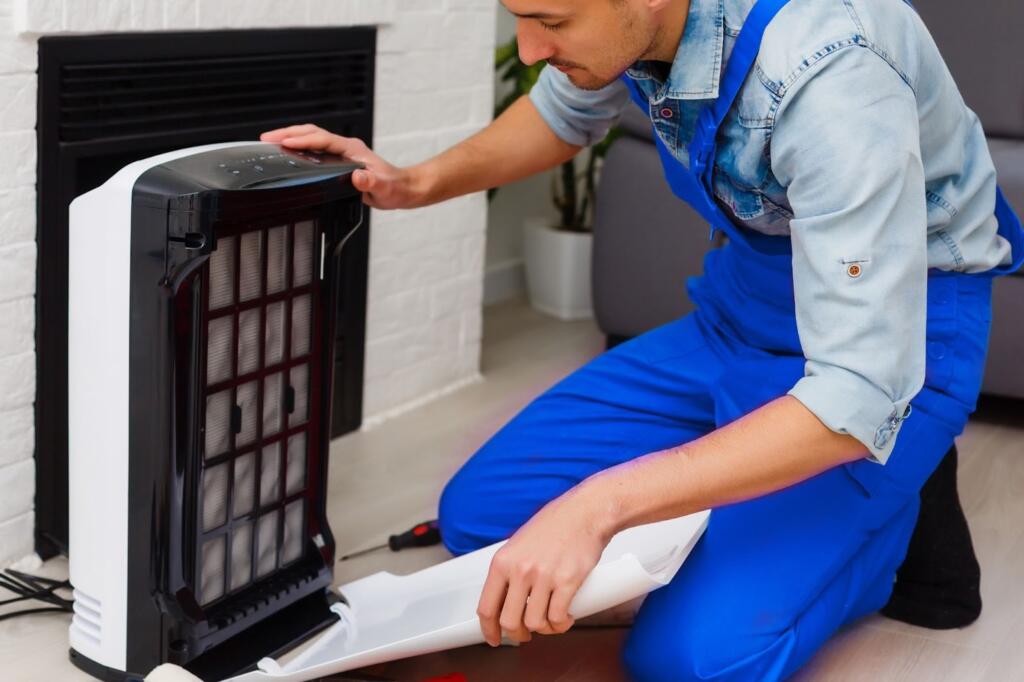
HVAC systems help balance temperature and moisture across the home. When the system falls out of balance, mold finds new places to grow. Indoor air quality services include HVAC tuning to achieve stable humidity. Specialists adjust fan speeds, filter ratings, and air distribution settings. These refinements improve efficiency and control moisture levels—balanced HVAC performance limits mold opportunities. A stable system maintains comfort throughout the day.
Inspections And Testing In Air Quality Services
Indoor air quality inspections reveal mold, moisture, and air issues that hide behind walls or above ceilings. Specialists gather data to determine the home’s actual condition. Their testing methods combine technology with professional evaluation. These findings support accurate repairs and long-term solutions.
Full Assessments For Mold And Moisture
Complete assessments examine moisture levels, ventilation strength, and mold activity throughout the home. Specialists look for leaks, condensation, and damp areas that support mold clusters. They evaluate basements, attics, bathrooms, and other spaces where moisture collects. Measurements show how humidity moves between rooms. These patterns help guide the service plan. Property owners receive clear insight into their indoor conditions. Assessment results lead to more effective action.
Tools Used To Identify Air Quality Problems
Specialists use digital tools to locate moisture and air quality issues. Thermal cameras reveal temperature changes that point to damp pockets. Hygrometers measure humidity in real time. Air sampling identifies mold spores and airborne particles. These tools build a clear picture of contamination levels. Accurate readings remove uncertainty. The final results help shape a targeted air quality strategy.
Mold Tests That Confirm Contamination Levels
Mold testing confirms the presence and type of mold found inside the home. Certain molds grow aggressively and require immediate control. Samples help specialists understand how far the contamination has spread. Laboratory results guide appropriate removal and moisture-control steps. These results help protect rooms from future mold clusters. They also document current conditions for property records. Testing supports long-term indoor safety.
Long-Term Mold Prevention Through Air Quality Services
Indoor air quality services support long-term protection with preventive care, monitoring systems, and seasonal adjustments. Specialists track changes over time to maintain dryness and airflow. Their consistent approach keeps mold from returning. Homeowners benefit from sustained comfort and reduced repair costs.
Maintenance Plans That Stop Mold Cycles
Maintenance plans help prevent mold from returning after removal. Specialists check humidity, ventilation, and filtration performance during each visit. Filters get replaced before airflow weakens. Moisture controls stay tuned to match seasonal changes. These steps keep indoor conditions stable. Regular maintenance lowers the risk of hidden mold growth. Consistent care protects both the structure and the air.
Monitoring That Protects Property Value
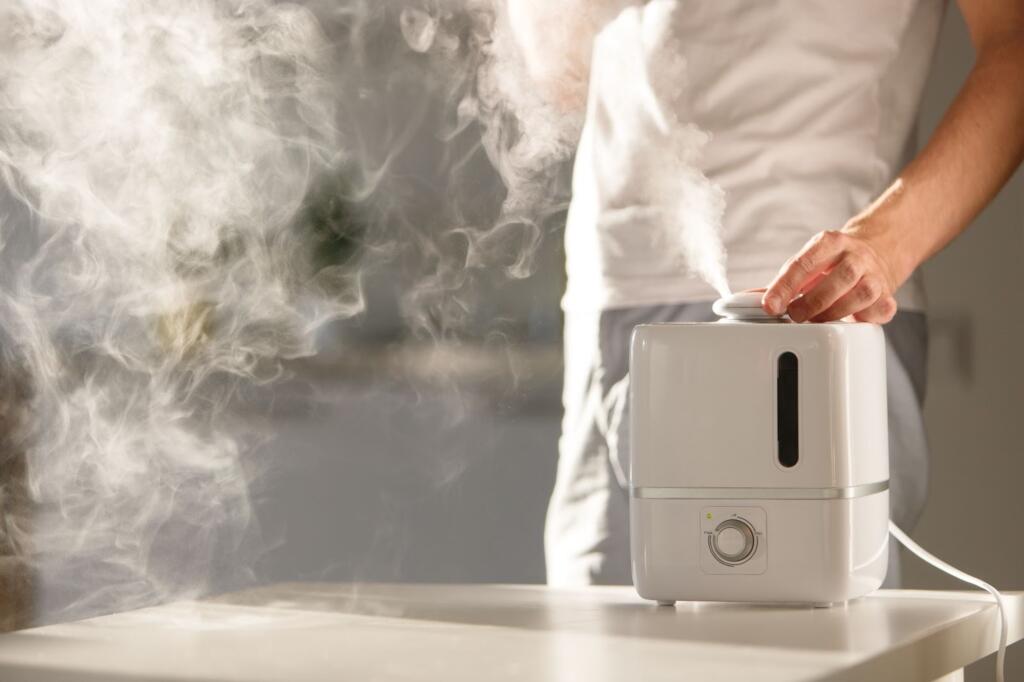
Monitoring protects property value by catching problems before they expand. Mold weakens drywall, wood, and insulation when moisture remains unchecked. Indoor monitoring alerts specialists to unusual humidity shifts. This procedure allows faster action and helps keep damage contained. A home with stable indoor air quality has greater appeal to future buyers. Dry spaces also reduce long-term repair costs. Monitoring brings steady confidence in the home’s condition.
Seasonal Adjustments For Indoor Stability
Seasonal humidity affects indoor air more than many property owners expect. Hot months bring strong moisture, while cold months dry the air out. Indoor air quality services include adjustments to match these shifts. Specialists reset humidity controls, filtration settings, and airflow routes. These adjustments keep indoor conditions consistent. Stable humidity prevents mold formation in transitional seasons. Seasonal care supports year-round protection.
Equipment Upgrades For Stronger Protection
Some homes benefit from upgraded air quality tools. High-grade dehumidifiers, air purifiers, or ventilation technologies offer stronger control over moisture and particles. Specialists recommend upgrades based on home layout and climate factors. Better equipment handles heavy moisture loads more effectively. These upgrades help prevent mold clusters in high-risk rooms. Stronger tools reduce stress on older HVAC units. Equipment improvements support long-term indoor health.
Benefits Of Indoor Air Quality Services
Indoor air quality services offer practical advantages for property owners. Cleaner air supports healthier breathing and daily comfort. Moisture control prevents structural issues that grow costly over time. These services provide peace of mind for households and property investors.
Health Benefits From Cleaner Indoor Air
Cleaner indoor air reduces respiratory strain for adults and children. Mold spores cause irritation, fatigue, and headaches when they remain in circulation. Air quality services remove spores before they settle. Better airflow brings fresher air into rooms that stay closed for long periods. A controlled indoor climate supports deeper rest and clearer breathing. Health improvements extend throughout the day. Cleaner air helps create a steady level of comfort.
Cost Savings From Mold And Moisture Control
Moisture damage spreads quickly behind walls and flooring. Indoor air quality services prevent expensive repairs by interrupting moisture patterns early. Dry conditions protect materials from decay. Air filtration also reduces pressure on HVAC systems. Property owners save money by avoiding deep structural repairs. A long-term strategy supports financial stability. Clean air and dry surfaces help preserve the home’s investment value.
Protecting Your Property’s Air Quality
Indoor air quality services give property owners a clear path to mold and moisture control. Strong airflow, proper filtration, and balanced humidity create a safe and comfortable home. These solutions help stop mold from spreading and protect daily living spaces. A customized plan based on professional evaluation keeps the house in stable condition.
Steps Property Owners Can Take Today
Property owners can start by checking rooms that hold moisture or lack airflow. Basements, bathrooms, and laundry rooms are often the first places to show signs of hidden issues. Specialists provide a full inspection that highlights unseen moisture pockets. They evaluate humidity patterns and airflow strength. Repairs, filtration, and ventilation adjustments offer fast improvements. A custom plan follows the home’s layout and conditions. Property owners gain a clear path forward.
Why Fast Action Prevents Mold Spread
Mold grows rapidly when moisture stays trapped in warm areas. Spores multiply within days of attaching to damp surfaces. Fast action reduces how far mold spreads into other rooms. Indoor air quality services interrupt the growth cycle by improving moisture control and airflow. Lower humidity slows mold activity and protects materials. Quick response helps limit repair needs. A timely plan protects the home and the people inside it.
Restore Balance With Indoor Air Quality Services
Indoor air quality services help restore your home to a steady, healthy state by correcting moisture, airflow, and comfort issues before they worsen. A balanced environment feels cleaner, smells fresher, and stays far less vulnerable to mold or hidden dampness. Each improvement supports a home that works with you rather than against you, creating a space that feels stable year-round. When you choose a plan that restores balance, you give your property the steady protection it needs and your household the comfort it deserves.
Visit the Principe Heating and Cooling blog for practical guidance and expert tips that keep your home’s air healthier year-round.