

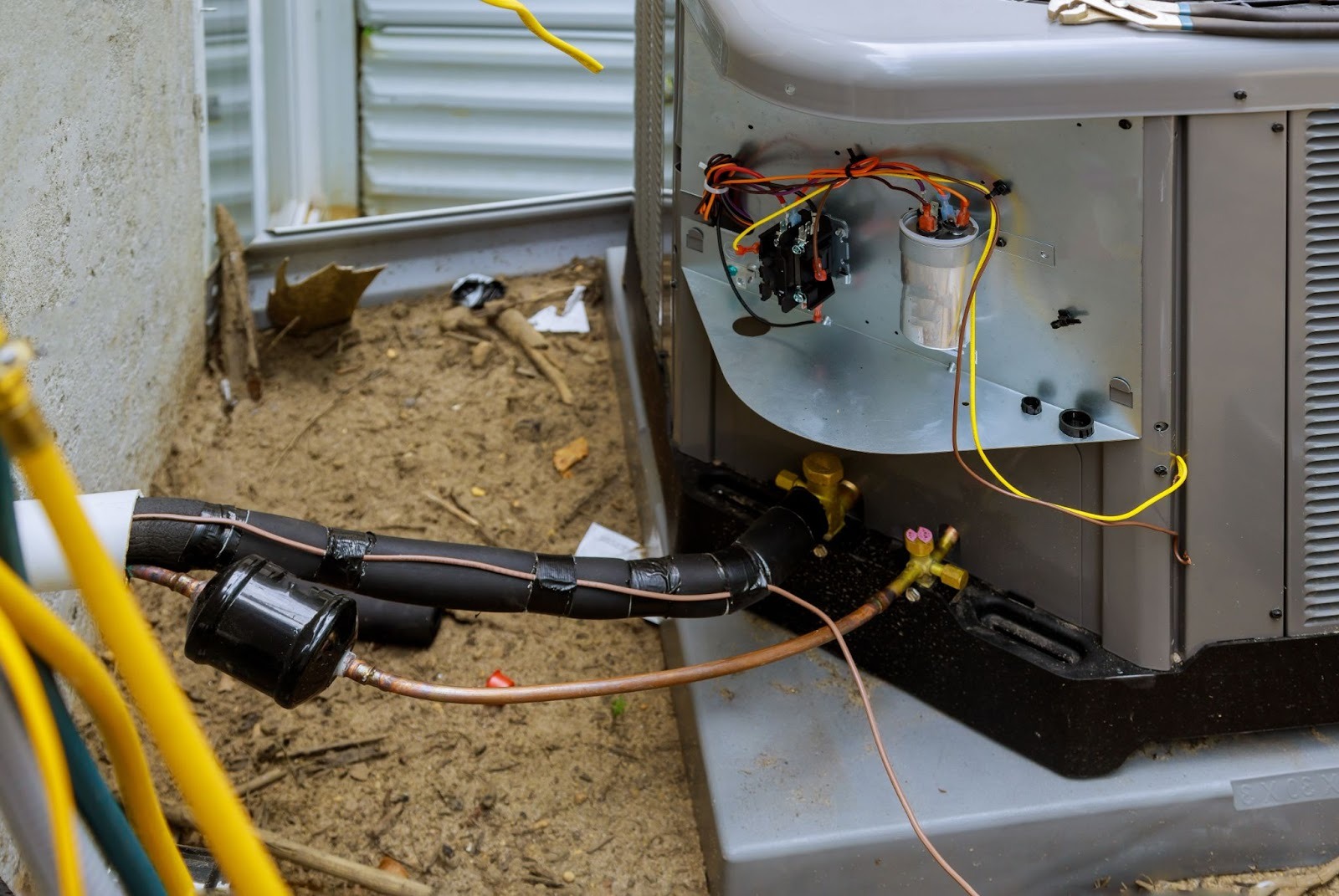
Many property owners depend on generators to protect comfort, safety, and daily operations. Power failures disrupt routines fast, and a weak generator adds more pressure when it stalls without warning. Regular maintenance helps prevent those stressful moments by keeping the system healthy year-round. That steady attention supports engine health, electrical flow, and safe operation during outages. A dependable generator protects the entire property and prevents avoidable downtime.
Why Routine Generator Repair Matters
Routine generator repair keeps power systems stable during outages and heavy use. Minor faults proliferate when the system runs under load, so repair controls that spread before they affect performance. Property owners benefit from predictable operation because each part receives attention before it strains. Strong repair habits reduce stress, support comfort, and protect critical building functions.
Hidden Issues Are Caught Early
Generator parts wear, often unnoticed, until the system struggles. Vibrations loosen fittings and push wiring out of place during long cycles. Dust builds up around vents, restricting the airflow the engine needs for clean combustion. Fuel lines collect sediment that travels toward the injectors, limiting flow. Wiring insulation breaks as heat rises inside the housing. Regular repair visits identify these problems while they are still controllable.
Routine Checks Improve Power Reliability
Generators run better when technicians track trends in sound, heat, and vibration. These clues help pinpoint weak parts before they cause power interruptions. Minor adjustments during repair reduce strain on the engine and electrical system. Filters stay cleaner, airflow stays steady, and fuel flow remains consistent. These improvements prevent the system from stumbling during load changes. Property owners get smoother starts and cleaner power output.
How Generator Repair Slows System Wear
Generator wear begins long before the first shutdown, so repair steps help slow that decline. Technicians track patterns in heat, friction, and electrical output to target stress points. These corrections protect moving parts from rapid wear and tear and help the generator stay steady. Property owners gain a longer service life because each repair cycle reduces future strain on the property.
Stopping Mechanical Wear Before It Spreads
Heat expands parts that rub together during long sessions. Belts develop cracks that widen with every startup. Hoses weaken when coolant loses additives that protect against heat. Bearings grind when lubrication breaks down during heavy loads. Fans lose efficiency when dust covers the blade edges, disrupting airflow. These issues resolve more quickly when repair schedules remain consistent.
Controlling System Stress From Heavy Workloads
Generators endure significant strain during storms or extended outages. High loads increase engine pressure and expose weak parts that cannot keep pace. Fuel pumps strain harder when filters clog from dirt and residue. Electrical components heat up when airflow within the housing drops. Voltage fluctuates when circuits face more demand than they can regulate. Repair sessions help rebalance these systems before heavy use returns.
Preventing Power Loss Through Generator Repair
Power loss creates safety risks across residential and commercial properties. Emergency lights, HVACs, alarms, and live equipment need reliable power during outages. Regular maintenance keeps the fuel, ignition, and electrical systems stable, so the generator starts and runs without hesitation. Property owners gain dependable support when the grid drops.
Avoiding Fuel and Combustion Setbacks
Fuel quality can shift quickly when tanks accumulate moisture or sediment over time; dirty fuel can block filters, cutting the fuel stream before it reaches the engine. Rust flakes from steel tanks travel toward injectors and interfere with smooth combustion. Ignition issues occur when spark plugs foul after frequent short cycles; fuel pumps strain when debris enters the lines, reducing fuel pressure. Repair restores flow and protects the engine from misfires.
Stopping Electrical Failures That Cause Outages
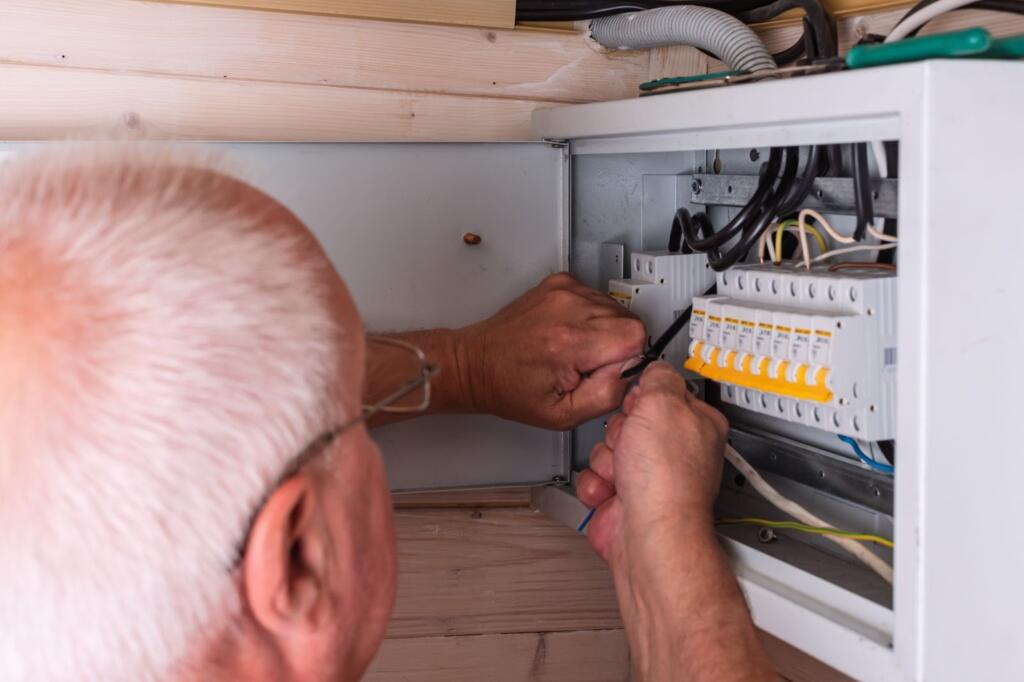
Electrical faults disrupt generator output more than mechanical issues do. Corrosion forms around battery terminals, weakening the starting sequence. Loose wires cause intermittent voltage drops that confuse the control panel. Alternators lose charging strength as brushes wear down. Regulators struggle when circuits drift out of range after
years of heat. Repair keeps electrical paths clean and tight for consistent performance.
Keeping Cooling Systems Stable During Outages
Cooling systems protect the engine during long periods of operation. Dust blocks vents and stops fans from pulling air across hot surfaces. Coolant levels fall when hoses weaken, and leaks form around clamps. Radiators collect sediment, which reduces heat transfer during high-load cycles. Pumps lose strength when bearings wear down under constant heat. Routine repair brings cooling performance back to safe levels.
Financial Advantages of Regular Generator Repair
Property owners save money by maintaining the generator before it reaches critical wear. Repairs cost less when the system stays healthy because fewer parts degrade at once. Labor hours stay lower because technicians fix minor issues quickly. Predictable repair habits reduce the risk of widespread system damage that requires expensive replacements.
Reduces Expensive Component Replacement
Engines last longer when the lubrication stays clean and stable. Thick oil forms sludge that coats internal parts and increases heat during each cycle. Cooling systems fail more quickly when sediment builds up in radiators, restricting coolant flow. Fuel systems wear down when contaminated fuel is forced into injectors at high pressure. Filters clog faster when dust collects inside the housing. Timely repairs help prevent these problems and protect costly components.
Saves Money Through Predictable Service Planning
Steady repair schedules create predictable maintenance costs throughout the year. Technicians track wear patterns and help owners budget for replacement parts before problems grow. This predictable planning prevents surprise expenses during storm seasons. Quick repairs reduce labor time because problems remain small. Cleaner systems also reduce fuel use during long runs. These savings add up and support more substantial long-term budgets.
Extending Generator Lifespan With Repair
A repaired generator outperforms a neglected one by staying stable during heavy use. Each repair session resets the wear cycle and protects the engine, fuel system, and electronics. These steps lengthen service life and delay the need for a full replacement. Property owners gain better value from their investment because the generator lasts longer.
Supporting Strong Engine Health
Engines need clean oil, balanced fuel, and steady airflow to operate well. Thick oil reduces lubrication and raises friction on internal components. Dirty filters restrict airflow and weaken combustion. The fuel mix shifts when injectors accumulate residue and lose precision. Heat increases as airflow slows around cooling fins. Repair keeps these elements balanced to protect engine life.
Protecting Control Panels and Electronics
Modern generators depend on sensors that track voltage, temperature, and fuel conditions. These sensors drift out of calibration over time. Wiring loosens as vibrations shake internal panels. Software updates help correct mismatches between readings and actual conditions. Control boards lose accuracy when dust or moisture enters the housing. Repairing these parts restores stable performance.
What Pros Do During Generator Repair
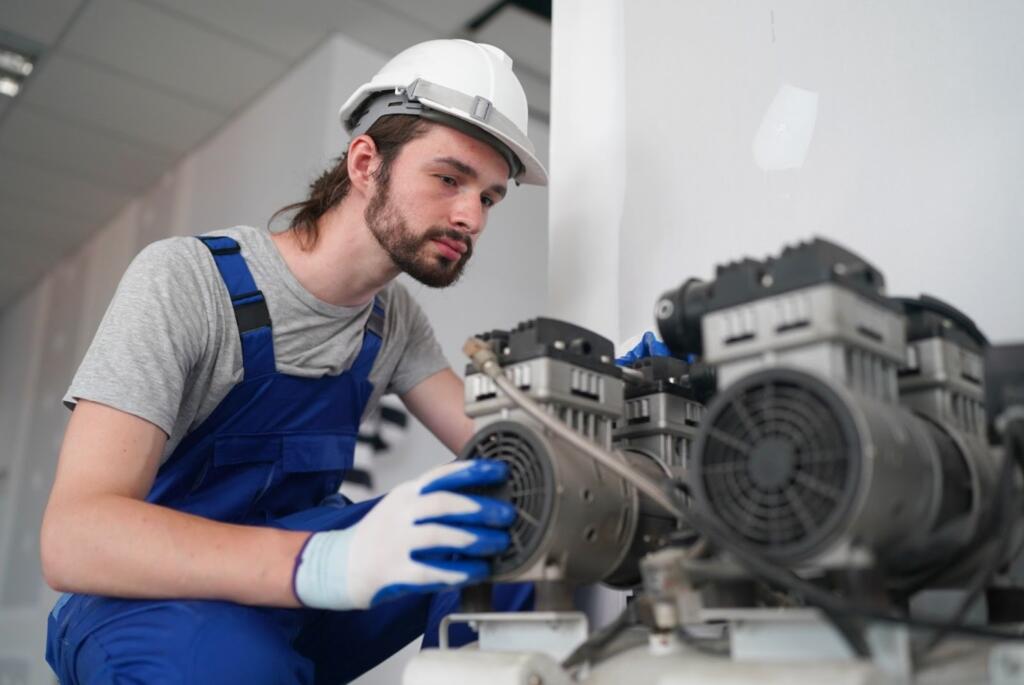
Professional generator repair follows a structured process that checks mechanical, electrical, and digital systems. Each step confirms that the generator can handle real-world load demands. Technicians use tools that detect faults before they trigger a shutdown. These methods give property owners confidence in their system.
Thorough Mechanical and Electrical Checks
Technicians inspect belts, hoses, filters, and fasteners during each repair session. They tighten loose connections and test battery health under real load. They confirm fuel flow by checking pump pressure and line integrity. Electrical tests verify alternator output and regulator stability. Diagnostic tools identify error codes linked to sensors or software. These tests ensure the generator remains in compliance with safe operation standards.
Calibration and Component Correction
Repair requires calibration steps that align voltage and frequency for stable power. Technicians adjust control settings that shift after long runtime sessions. They replace worn belts, filters, and gaskets before they fail. Clean fluids reduce heat and friction inside the engine. Cooling fans return to full strength after dust removal. These adjustments help the generator run cleaner and longer.
Verifying Safety Features and Shutdown Controls
Technicians inspect shutdown controls to confirm they respond at the right thresholds. These features protect the generator from overheating, low oil levels, or voltage spikes. Faulty sensors create dangerous conditions that harm both property and equipment. Repair visits bring these safety tools back to accurate performance. Technicians reset alerts and confirm that each control reacts quickly. This step keeps the generator ready for real emergencies.
Cleaning Critical Components for Better Performance
Dust buildup reduces efficiency across the generator’s core systems; technicians clean vents, blades, panels, and housings to restore airflow. Clear ventilation lowers heat during long cycles and improves electrical stability. Clean components also extend the life of belts, fans, and circuit boards. This attention reduces friction and strain during operation. Regular cleaning helps the generator run smoothly through every outage.
Benefits of Scheduled Generator Repair
Scheduled generator repair ensures consistent property maintenance and avoids timing conflicts during peak seasons. These planned intervals support comfort, security, and safe operation. Property owners gain predictable costs and dependable performance. The generator stays ready for outages because it receives attention before problems grow.
Predictable Service Makes Planning Easier
Repair schedules follow precise intervals that align with usage patterns throughout the year. Seasonal checks help prepare for storms, cold months, or heat waves. Property owners control budgets better because repair costs stay within planned cycles. Technicians track service records and adjust recommendations based on performance changes. Consistent visits reduce the chance of sudden equipment stress. Owners maintain stronger oversight over their power systems.
Better Reliability During Harsh Weather
Generators work hardest during storms or extended outages. Units with proper repair start faster because engines stay clean and balanced. Electrical output remains stable due to fresh calibration. Fuel systems push steady flow thanks to clean pumps and filters. Fans and coolant keep temperatures within safe limits. Reliable performance prevents unnecessary downtime.
Improves Long-Term Energy Efficiency
Generators that receive consistent repair run with cleaner fuel flow and better combustion. Efficient combustion uses less fuel, which saves money during extended outages. Clean filters and strong airflow improve engine strength and lower heat production. Electrical components also draw less energy when circuits stay clean. These improvements help the unit run efficiently without wasting fuel. Scheduled repair builds consistent efficiency over the generator’s lifespan.
Keep Your Property Powered With Generator Repair
Reliable generator repair protects your building from outages that disrupt comfort, operations, and safety. A well-maintained system responds quickly, runs more efficiently, and supports every part of the property when the grid fails. This level of readiness gives you confidence that your power source can handle harsh conditions without hesitation. Connect with a trusted generator repair team and keep your property powered when it matters most.
Explore practical insights and expert guidance on the Principe Heating and Cooling blog to stay ahead of power and comfort challenges.