Dry indoor conditions strain property structures and comfort, and polluted air often makes daily living harder for residents. Property owners feel these issues more quickly because every change affects maintenance and wellness. Indoor systems shape how a home performs throughout the seasons and how healthy the indoor environment remains. This reality pushes many owners to compare air treatment devices with more care. A clear understanding leads to wise decisions that support both comfort and structure.
Core Differences in Humidifier vs. Air Purifier
Indoor air quality systems shape how a home feels, performs, and ages. These tools address issues affecting comfort, breathing, and the condition of interior materials. Property owners often turn to them when rooms start feeling dry, dusty, or uncomfortable. Knowing how each option supports a home helps guide confident decisions.
What a Humidifier Adds Indoors
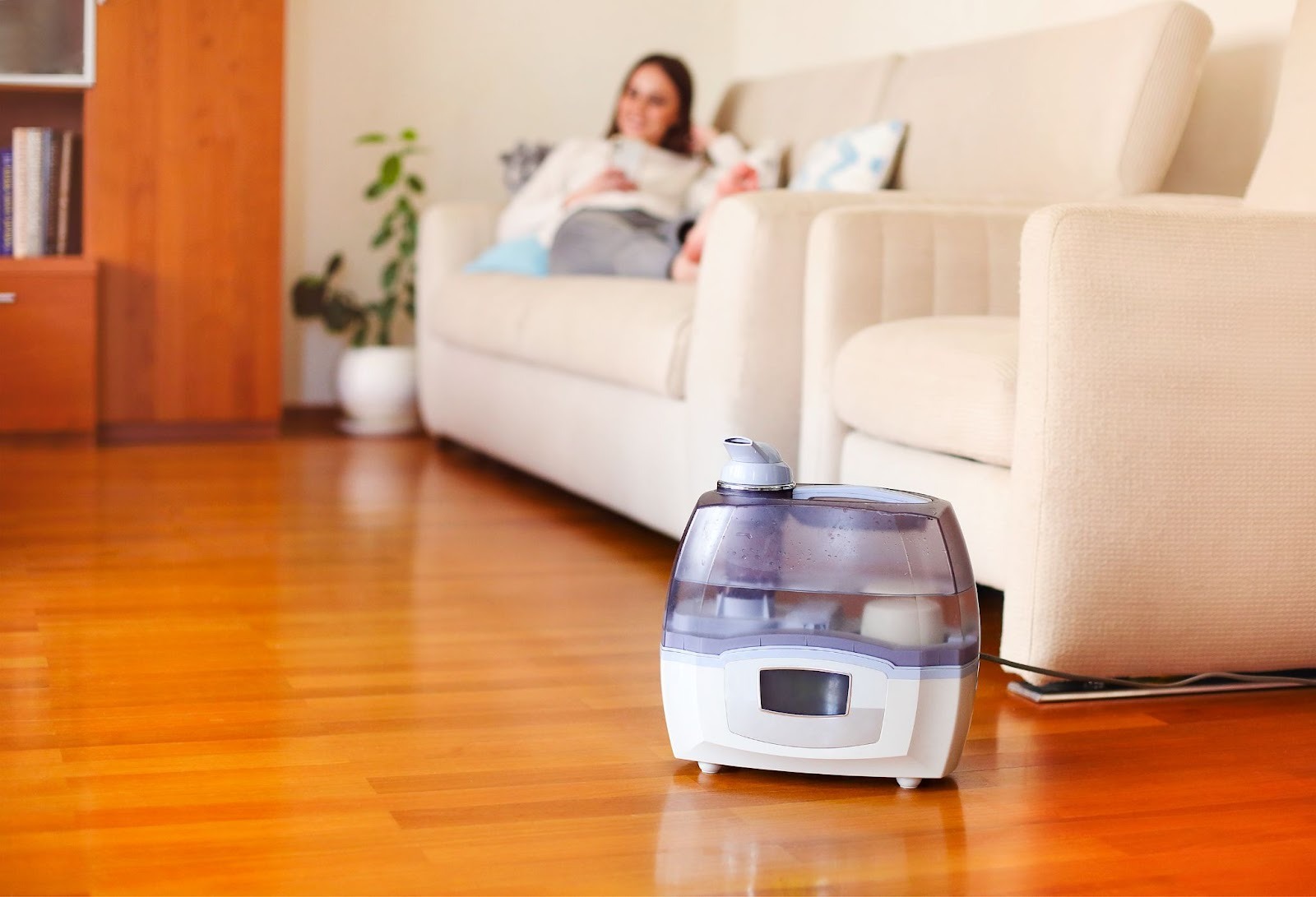
A humidifier raises indoor moisture to ease dry air that irritates residents and weakens surfaces. Dry conditions draw water from wood floors and trim, leading to cracks and shrinking panels. This equipment adds steady moisture, helping protect these materials from avoidable wear. Many residents also feel smoother breathing once moisture rises to healthier levels. Static shocks fade, and dry skin symptoms often decrease as moisture balances the air. A humidifier also helps create a warmer indoor feel, as moist air holds heat better. This tool allows property owners to stabilize indoor conditions when heating dries rooms.
What an Air Purifier Removes From the Air
An air purifier removes pollutants such as dust, smoke, pollen, and odors that circulate in a home. These particles spread across furniture and vents, which creates constant buildup. A purifier traps them using HEPA or carbon filters for steady cleaning. Residents breathe easier because fewer irritants reach their noses and lungs. Allergy flare-ups often drop once particles no longer circulate inside. Surfaces also stay cleaner because debris settles less heavily. This system helps property owners maintain fresher, healthier spaces with less daily effort.
Why Both Devices Serve Different Issues
A humidifier cannot remove toxins or airborne debris, and an air purifier cannot add moisture that protects materials. This apparent difference shows why they solve separate home concerns. Dryness often leads to cracked paint, brittle furniture, and sinus strain. Pollution creates odors, allergy symptoms, and dusty surfaces. Property owners gain control by choosing the correct tool for the most apparent symptom. This decision supports stronger comfort and more efficient indoor systems.
Indoor Comfort in Humidifier vs. Air Purifier Use
Indoor comfort depends on moisture levels and air cleanliness inside each room. Heating, cooling, and seasonal shifts change these conditions throughout the year. Property owners must track both dryness and pollutants to protect the home and its residents. A focused look at these factors leads to more intelligent choices.
How Moisture Shapes Indoor Comfort
Humidity affects breathing comfort, skin feel, and how home surfaces respond to seasonal shifts. Low moisture dries wood floors, trim, and cabinets because these materials release stored water. A humidifier restores moisture and helps stabilize these surfaces. It keeps gaps in flooring smaller and reduces cracking in painted edges. Residents notice softer indoor air that supports better sleep and calmer sinuses. Humidity also reduces static buildup, improving comfort throughout the rooms. This stability supports both residents and the building structure.
How Filtration Supports Indoor Health
An air purifier protects residents from pollutants that irritate lungs, eyes, and skin. Dust and allergens float through indoor spaces and settle on vents, carpets, and furniture. A purifier traps these particles, preventing them from spreading into high-traffic areas. Residents breathe with less irritation and wake with fewer allergy symptoms. Odors fade as the purifier removes particles that create smells. HVAC systems also run smoothly because fewer contaminants collect inside ducts. This filtration protects residents and the home every day.
Seasonal Changes That Affect Air Needs
Winter heating dries indoor air quickly, and summers in warm climates also drop humidity during long cooling cycles. Spring and fall increase pollen levels, which raises the need for filtration. Wildfire smoke or construction zones near homes also increase indoor pollutants. Property owners benefit from adjusting devices as seasons shift. Homes with large windows or open layouts often feel these changes faster. This awareness helps owners manage moisture and pollutants with more precision.
Problems That Reveal the Right Tool
Dryness leads to cracked molding, dry throats, and shrinking floors across many homes. Air pollution shows up as dust layers, stale odors, and recurring allergies. Each symptom reveals the device that solves the exact problem. A humidifier fixes dryness, and a purifier fixes contamination issues. Property owners who track these clues solve problems faster. This quick response protects comfort and reduces long-term repair costs.
Choosing the Right Device for the Home
Property owners choose between humidifiers and air purifiers based on the central problem inside the home. Each device solves a different issue, so matching the tool to the symptom brings the best results. Climate, layout, and usage patterns also influence the right choice. A direct breakdown helps owners make clear decisions.
When a Humidifier Fits the Home Best
A humidifier helps homes with tight, dry air that strains residents and surfaces. People notice static shocks, dry noses, and rough skin as moisture drops. Floors and doors also loosen when the humidity falls. A humidifier restores balance, so these problems fade. Warm climates with heavy AC use often experience the same summer dryness. Humidity meters help owners check levels and adjust the device easily. This tool supports homes that battle dryness most of the year.
When an Air Purifier Solves Indoor Issues
An air purifier helps reduce dust buildup, pet dander, and neighborhood pollution in homes. Many families struggle with allergies that worsen in rooms without filtration. A purifier removes these airborne irritants and keeps surfaces cleaner. It also traps odors from cooking, pets, and nearby traffic. Residents enjoy fresher rooms because particles no longer circulate. Property owners also notice that HVAC ducts stay cleaner. This device supports spaces that face constant pollution pressures.
Matching Home Layouts With Proper Devices
Larger homes need stronger humidifiers or purifiers that reach broad areas. Small rooms need compact units that target issues up close. Multi-floor homes often face different conditions on each level. Basements may stay damp while upper rooms dry out fast. Sensors help property owners clearly understand each zone. Balanced placement improves results across the entire home. This planning avoids wasted energy and uneven comfort.
Budget Choices That Still Protect the Home
Humidifiers cost less upfront than purifiers, and many mid-range models work well for most homes. Air purifiers vary more because filter technology affects price and performance. Replacement filters add future costs that owners must consider. Humidifier pads and distilled water also add small ongoing expenses. Smart shopping focuses on performance, not brand hype. Property owners who track device ratings make better decisions. This strategy protects comfort without draining the budget.
Benefits of Using Both Devices Together
Some homes need both humidity control and air filtration to fix multiple issues at once. Moisture helps protect wood and provide breathing comfort, while filtration removes particles and odors. These systems work well together because they affect different parts of the air. Owners who use both often see improvements in structure and resident comfort.
How Both Systems Strengthen Indoor Quality
A humidifier restores moisture, making air easier to breathe, while a purifier removes contaminants that irritate the lungs. This pairing creates a cleaner and more stable environment. Residents feel less strain because the air stays moist and filtered. Furniture and floors last longer because they hold moisture better. HVAC systems handle cleaner airflow with no heavy dust layers. Many homes benefit from the combined protection these devices create. This approach covers every angle of indoor comfort.
Placement Tips for Best Results
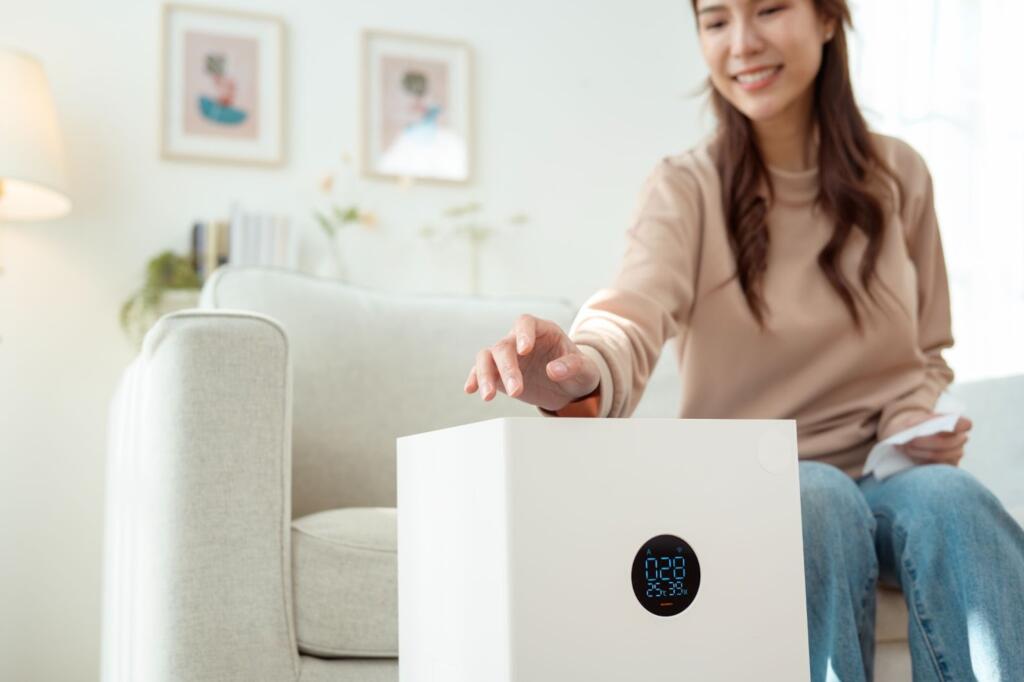
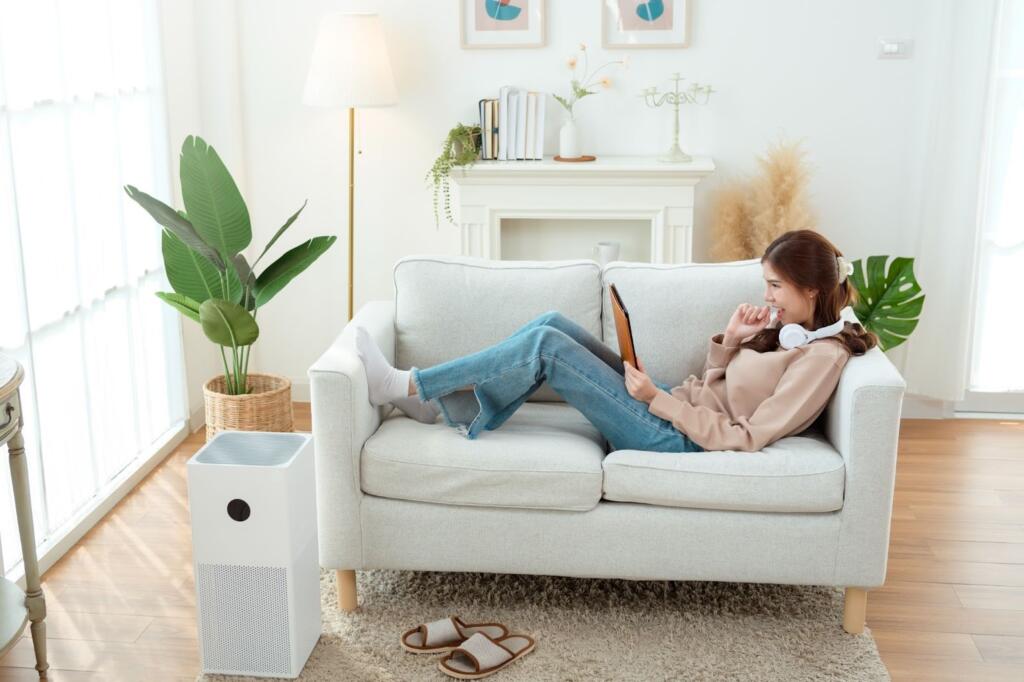
Humidifiers work best on open surfaces where moisture spreads freely. Air purifiers work best near dust sources or high-traffic rooms. Tight corners block airflow to both devices, reducing performance. Proper spacing improves results while lowering energy costs. Multi-room homes may need one device per floor for even coverage. Sensors help owners confirm performance levels and fine-tune placement. This simple planning boosts system efficiency.
Common Mistakes Property Owners Should Avoid
Too much humidity can lead to wet windows and mold risks, so owners must carefully monitor moisture levels. Purifiers fail when filters stay dirty, or the unit is too weak for the room. Incorrect placement reduces airflow and limits results. Skipping maintenance harms both systems and raises future repair costs. Owners must clean filters and tanks on schedule to maintain strong performance. Hard water also damages humidifiers, so distilled water works better. These habits protect both comfort and property value.
Maintenance That Protects Long-Term Comfort
Humidifiers need regular tank cleaning and mineral removal to stop microbial growth. Purifiers need timely filter replacements to maintain airflow strength. Owners who ignore maintenance see weaker performance in both systems. Distilled water extends a humidifier’s lifespan by reducing scale buildup. Clean filters help purifiers trap more pollutants with each cycle. Sensors make maintenance easier by providing real-time level readings. This routine keeps the air healthier and structures stronger.
Improve Your Home’s Air Quality Today
Cleaner air supports a healthier home, steadier comfort, and fewer repairs along the way. Dryness and pollutants often build quietly, yet the right device fixes these issues before they spread through your space. Choosing a system that fits your home’s needs strengthens your indoor environment and protects the structure you rely on. A focused step toward better air quality creates lasting comfort that your property and everyone inside will appreciate every day.
Find practical guidance and reliable indoor air strategies on the Principe Heating and Cooling blog and choose what keeps your home healthier year-round.